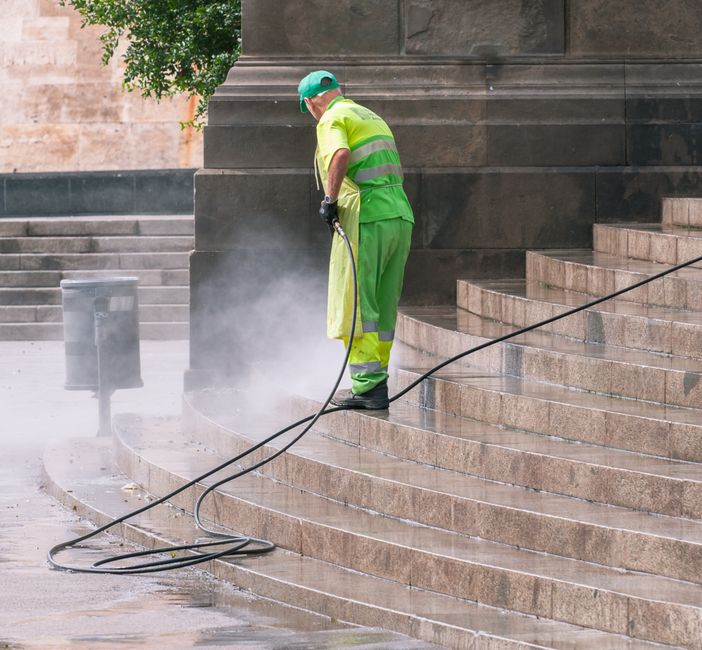
Hart District Council rules for pressure cleaning Hook shopfronts
If you manage a shopfront in Hook, pressure cleaning can make a huge difference to kerb appeal. It can lift algae, traffic film, chewing gum, spill marks, and the general dullness that builds up on pavements and fascias. But the job is not as simple as turning on a machine and spraying away. Hart District Council rules for pressure cleaning Hook shopfronts are really about protecting public safety, preventing nuisance, and making sure wastewater, run-off, and noise are handled properly. That matters whether you own the premises, rent it, or are arranging the work for a tenant. In practice, the cleanest-looking shop is only useful if the work is done in a way that keeps customers, passers-by, and neighbouring businesses happy.
This guide breaks down the practical side of getting it right: what councils typically care about, how pressure washing should be planned, where compliance problems tend to appear, and what a responsible contractor should be doing before the first hose is uncoiled. To be fair, most issues are avoidable once you know what to look for.
For businesses that want a broader commercial cleaning approach, it can also help to see how pressure cleaning fits alongside services such as commercial carpet cleaning and other fabric or hard-surface care that keeps a premises looking consistent from the doorway to the back office.
Contents
- Why Hart District Council rules for pressure cleaning Hook shopfronts matter
- How the rules and practical process work
- Key benefits and practical advantages
- Who this is for and when it makes sense
- Step-by-step guidance
- Expert tips for better results
- Common mistakes to avoid
- Tools, resources and recommendations
- Law, compliance, standards, or best practice
- Options, methods, or comparison table
- Case study or real-world example
- Practical checklist
- Conclusion
- Frequently asked questions
Why Hart District Council rules for pressure cleaning Hook shopfronts Matters
Shopfront cleaning sits in a funny little middle ground. It is maintenance, yes. But it also affects the public highway, drainage, nearby properties, and the way a high street feels on a wet Tuesday morning. If a pressure washing job sends dirty water across the pavement, blocks a drain, or leaves slippery residue outside a doorway, the problem becomes bigger than appearance very quickly.
Hart District Council rules for pressure cleaning Hook shopfronts matter because the council's concern is not just "is it clean?" It is more like: is it safe, is it controlled, and is it causing any avoidable mess or nuisance? That can include overspray, noise, working times, water discharge, and whether the frontage remains safe for pedestrians while the work is underway.
In a place like Hook, where shopfronts often sit close to foot traffic, parked cars, delivery vans, and neighbouring businesses, the margin for sloppy work is small. You do not want a cleaner blasting grime from a sign and accidentally peppering a nearby window display. It happens. More often than people admit.
Practical takeaway: the best pressure cleaning job is not the one that looks most dramatic mid-clean. It is the one that leaves the shopfront spotless, the pavement safe, and nobody nearby annoyed.
There is also a reputational side. A tidy, cared-for frontage tells customers that the business pays attention to detail. A streaky or damaged facade tells a different story, even before anyone steps inside.
How Hart District Council rules for pressure cleaning Hook shopfronts Works
The exact position can depend on the site and the activity, so it is wise not to assume a one-size-fits-all rule. In normal UK practice, a pressure cleaning contractor should think in layers: public safety, water control, surface suitability, environmental care, and the rights of neighbouring occupiers. That is the real framework behind the rules.
Here is how the process usually works on a compliant, well-run job:
- Site check. The contractor looks at the frontage, paving, drainage, signage, nearby doors, and any fragile surfaces. Brickwork, render, painted timber, and aged pointing all need different handling.
- Risk assessment. Hazards are identified before work starts. Slippery pavements, trip hazards from hoses, public access, and vehicle movement are all typical considerations. A good contractor should also work in line with a documented health and safety policy.
- Method selection. Not every surface needs high pressure. Sometimes a lower-pressure wash, soft washing, or targeted stain removal is safer and more effective.
- Water management. Dirty water should be directed and controlled so it does not run into unwanted areas. This is one of the most common issues on shopfront jobs, and one of the easiest to mishandle.
- Public protection. Barriers, warning signage, cone placement, and timing around trading hours help reduce disruption. A little planning goes a long way.
- Completion and clean-down. The area should be left tidy, with no slick residue, loose debris, or blocked grates. If the job has created waste, disposal should be handled properly.
There is a simple truth here: pressure cleaning is not just about the machine. The machine is only one part. Judgement does most of the heavy lifting.
For commercial premises with carpets, mats, or upholstery near entrances, it can be worth co-ordinating the exterior clean with interior work such as carpet cleaning or upholstery cleaning, so the whole customer journey feels consistent. That is the kind of detail people notice, even if they do not consciously register it.
Key Benefits and Practical Advantages
A well-managed pressure clean delivers more than a brighter facade. It can improve first impressions, reduce buildup that becomes harder to remove later, and help maintain the property between larger refurbishment cycles. For shop owners, that can mean a frontage that feels presentable without constant repainting or heavy restoration.
- Better kerb appeal. Clean paving and glazing frames make a small shop look sharper, calmer, and more welcoming.
- Reduced slip risk. Moss, algae, grease, and grime are notorious for creating slippery patches, especially after rain.
- Longer surface life. Regular, appropriate cleaning can help prevent deep staining and surface deterioration.
- Improved brand perception. A clean shopfront suggests care, reliability, and attention to detail.
- Less reactive maintenance. Keeping on top of dirt is usually cheaper and less disruptive than waiting until the frontage looks tired or damaged.
There is also an operational benefit that people sometimes forget. If your frontage is clean, your signage is clearer, your entrance is more inviting, and customers are less likely to hesitate at the door. That hesitation matters. It really does.
If the business also wants to improve the condition of adjacent soft furnishings or display seating, services like sofa cleaning or stain removal can help present a joined-up, professional impression rather than a tidy outside and a scruffy inside. A bit of harmony never hurts.
Who This Is For and When It Makes Sense
This topic is relevant to a few different people, and each group tends to have a slightly different concern.
Shop owners and independent retailers
If you run a small retail unit in Hook, you may want the frontage cleaned after a spell of bad weather, a build-up of algae, or before a seasonal campaign. That is often the most visible time to refresh the exterior, especially when footfall matters.
Landlords and property managers
For commercial landlords, pressure cleaning can be part of scheduled maintenance between tenancies or before a new tenant moves in. It is often cheaper to keep on top of dirty paving and external walls than to leave them until they look neglected.
Tenants with lease obligations
Some leases place responsibility for external appearance on the occupier. If that is you, the question is not just whether the shopfront looks dirty. It is whether the work is being carried out in a way that respects the lease, the building, and the public area outside.
Facilities teams and managing agents
These readers usually need consistency. A one-off clean is easy. The hard part is building a repeatable, safe routine that does not disrupt trading or create complaints.
When does it make sense to schedule it? Usually after periods of wet weather, heavy leaf fall, nearby building work, or when the frontage has become visibly patchy. If customers are starting to notice, the job is already overdue, truth be told.
Step-by-Step Guidance
Here is a practical way to approach the work without turning it into a headache.
- Identify the exact surfaces. Pavement slabs, brick, render, paint, glass frames, aluminium trims, and signage all behave differently under pressure.
- Check for sensitive areas. Look for failing mortar, flaking paint, cracked pointing, electrical fittings, external sockets, and open vents.
- Plan the timing. Try to avoid busy trading windows, school-run footfall, or delivery peaks. Early morning is often calmer. Not always, but often.
- Control access. Use cones or barriers if needed, and make sure nobody can walk straight through the wet zone.
- Prepare the water path. Decide where runoff is going before work starts. If water carries dirt into drains or across other properties, the job becomes messy fast.
- Choose the right cleaning method. Heavy pressure is not a magic fix. On some surfaces, a detergent pre-treatment or soft wash is safer.
- Work in sections. This helps prevent missed patches and keeps the process controlled.
- Rinse and inspect. Do a final pass to check residue, streaking, and any areas that may need hand-detailing.
- Leave the frontage safe. The area should not stay slick. If it does, the job is not finished yet.
A good contractor should also carry appropriate cover and work responsibly around the site. If you want to understand the wider duty of care behind that, the site's insurance and safety guidance is a useful reminder of how seriously professional cleaning teams should treat this kind of work.
Expert Tips for Better Results
In our experience, the best exterior cleaning jobs are won before the water ever hits the wall. Planning matters more than horsepower.
Use lower pressure first
If a surface is delicate or older, start lower and only increase if needed. Too much pressure can drive water into joints or lift loose material. That is the sort of mistake that looks minor at first and turns expensive later.
Test a small patch
One inconspicuous test area can save a lot of regret. You can check for colour change, surface softening, or staining that may become more visible once cleaned.
Mind the weather
Wind can carry spray further than expected, and cold weather can slow drying. On a damp morning, a clean frontage can still feel slick underfoot for a while. That is just how it goes.
Keep the public informed
If a shop is open during the clean, a simple notice or a quick word to neighbouring businesses helps. People are usually more patient when they know what is happening.
Think beyond the visible dirt
Some surfaces look dirty because of pollution film rather than loose grime. Others have biological growth. Each needs a slightly different approach. If you use the same method on everything, you may get a quick clean but a poor finish.
One small but useful habit: photograph the frontage before and after. Not for vanity. For practical comparison. It makes future maintenance decisions easier, and it helps you see whether the clean is genuinely improving the surface or simply moving dirt around.
Common Mistakes to Avoid
Pressure cleaning problems are usually boring ones, which is exactly why they get overlooked.
- Using too much pressure. This can damage mortar, render, paint, signage, and even some paving finishes.
- Ignoring runoff. Dirty water can create complaints, block drains, or spread grime to adjoining areas.
- Cleaning during peak footfall. It is awkward, unsafe, and more likely to disrupt trade.
- Failing to protect nearby stock or displays. Overspray can leave a surprising amount of mess on windows and products.
- Not checking surface condition first. If the substrate is weak, a wash can cause more harm than good.
- Leaving the area slippery. A surface may look clean and still be unsafe.
- Forgetting neighbouring tenants. Water drift and noise can create friction very quickly.
A slightly less obvious mistake is treating all "cleaning" as the same thing. A shopfront may need pressure washing outside, but internal areas may be better served by specialist fabric or floor care. For example, a commercial entrance with fabric seating or curtains should be handled differently, using services such as curtain cleaning or rug cleaning where appropriate. Different surfaces, different rules. Simple as that.
Tools, Resources and Recommendations
You do not need an enormous setup to do this properly, but the equipment should match the job. The right kit makes compliance easier because it gives you more control.
| Tool or item | Why it matters | Practical note |
|---|---|---|
| Pressure washer with adjustable settings | Lets you match force to surface | Lower settings are often safer on older masonry |
| Surface cleaner attachment | Helps create a more even finish | Useful on paving and flat areas |
| Detergent or pre-treatment | Loosens grime before rinsing | Choose products suitable for the surface |
| Barriers and cones | Protects pedestrians and staff | Especially useful where the frontage stays open |
| Drain protection or capture method | Helps manage wastewater responsibly | Important where dirty water could reach sensitive drains |
| PPE | Protects operators | Goggles, boots, gloves, and hearing protection may be needed depending on the job |
As a practical recommendation, it is often worth working with a team that understands both exterior and internal commercial cleaning. That usually means they can see the whole job, not just the one square metre in front of the nozzle. If you want to compare broader service support, commercial carpet cleaning and steam carpet cleaning are relevant examples of the kind of structured, property-wide care businesses often bundle together.
For businesses looking at budgeting, the page on pricing and quotes is also helpful because it frames how professional cleaning services are usually scoped rather than guessed. And yes, guessing leads to surprises. Usually the expensive kind.
Law, Compliance, Standards, or Best Practice
Without pretending to give legal advice, it is fair to say that pressure cleaning in a public-facing commercial setting should be treated as a controlled maintenance activity. In the UK, that normally means taking account of health and safety duties, safe access, the prevention of slip hazards, reasonable noise control, and environmental care around wastewater and detergents.
For shopfront work, the practical compliance questions usually include:
- Can pedestrians pass safely?
- Is the work causing overspray to neighbours or parked vehicles?
- Is runoff being contained or directed responsibly?
- Are operators using suitable PPE and safe working methods?
- Has the surface been checked for fragility before cleaning?
- Are there any lease, insurance, or site management requirements to observe?
There may also be site-specific expectations linked to the building itself, especially if the frontage forms part of a larger commercial parade. In those cases, coordination matters more than speed. A neat job done at the wrong time can still be the wrong job.
Best practice is often the simplest route: document the method, brief the operatives, protect the public, and leave nothing hazardous behind. If you are unsure whether a particular frontage can take aggressive washing, assume it needs a more careful approach until proven otherwise. That caution saves embarrassment and repair bills.
Options, Methods, or Comparison Table
Not every shopfront should be treated with the same method. Here is a useful comparison for decision-making.
| Method | Best for | Pros | Watch-outs |
|---|---|---|---|
| High-pressure washing | Hard paving and robust external surfaces | Fast, effective on built-up dirt | Can damage weak mortar, paint, or soft materials |
| Low-pressure cleaning | More delicate surfaces | Less risk of surface damage | May need more dwell time or repeat passes |
| Soft washing | Render, facades, and some stained walls | Gentler, better for sensitive finishes | Requires correct chemicals and rinse control |
| Manual spot cleaning | Small stains, signage edges, stubborn marks | Very targeted | Slower; not ideal for large areas |
If the frontage includes mixed materials, the method may even change mid-job. That is normal. A conscientious cleaner does not force one technique on every surface just because the equipment is already on site.
For some businesses, external cleaning can also prompt attention to interior elements like stain removal or pet stain odour removal where customer areas have their own wear-and-tear issues. Different problems, sure, but they often show up together in a busy premises.
Case Study or Real-World Example
Imagine a small Hook shop with a front pavement that has become patchy with algae near the doorway. The owner notices customers stepping carefully after rain, and the entrance begins to look a bit tired. Not disastrous. Just enough to make the place feel less inviting.
A sensible plan would begin with a site check: what is the paving made of, where does the water go, and is there any cracked pointing or flaking paint close by? The cleaner would then schedule the work before opening hours, set out a barrier, and apply a suitable pre-treatment to loosen the dirt before using controlled pressure.
Instead of blasting everything at full force, the cleaner would work in sections, rinse thoroughly, and then inspect the doorway area for slip risk. If the threshold still felt slick, the job would not be considered done. That final check is the part people often skip, and it is the bit that actually protects the business.
The result is not just a brighter frontage. It is a cleaner, safer entrance that feels more professional. Customers notice the difference before they can even explain it. Sometimes they just pause less. That is the quiet win.
Practical Checklist
Before you approve pressure cleaning for a Hook shopfront, run through this list.
- Check whether the surface is suitable for pressure washing.
- Inspect for cracks, weak mortar, loose paint, or fragile render.
- Confirm how runoff and wastewater will be controlled.
- Plan the job outside peak trading times where possible.
- Use barriers, cones, or another clear way to protect pedestrians.
- Make sure operators understand the site layout and nearby risks.
- Confirm the contractor has suitable safety procedures and insurance.
- Ask what cleaning method will be used and why.
- Confirm the area will be left dry or safe enough for normal use.
- Review whether any internal cleaning should be co-ordinated at the same time.
Quick reminder: if the plan sounds vague, it probably is. Good exterior cleaning should be specific, not hand-wavy.
Conclusion
Hart District Council rules for pressure cleaning Hook shopfronts are best understood as a sensible framework for doing the job properly rather than an obstacle to good maintenance. Keep people safe, protect the surface, manage water responsibly, and avoid rushing. That is the core of it.
For shop owners, the reward is straightforward: a frontage that looks cared for, a safer approach to upkeep, and fewer nasty surprises from damage or complaints. For contractors and managing agents, the goal is the same, just with more planning behind it. The good news? Once the process is understood, it becomes much easier to repeat. Clean, safe, professional. That is the sweet spot.
If you are comparing options for a commercial property refresh, it may help to look at wider maintenance services too, including about us, terms and conditions, and the team's approach to recycling and sustainability so you can judge the overall service fit, not just the cleaning itself.
Get a free quote today and see how much you can save.
Frequently Asked Questions
Do I need council permission to pressure wash a shopfront in Hook?
Not always, but you should not assume you can work freely without considering public safety, water discharge, and any site-specific restrictions. If the frontage affects the pavement or shared access, those practical issues matter even when no formal permission seems obvious.
What does Hart District Council usually care about most?
In practical terms, councils tend to care about nuisance, safety, and cleanliness of the public realm. That includes slip risks, runoff, noise, and whether the work interferes with people walking past or using nearby premises.
Can pressure cleaning damage brickwork or render?
Yes, it can. Too much pressure, the wrong nozzle, or poor technique may damage mortar, lift paint, or drive water into weak areas. Older surfaces in particular should be treated cautiously.
Is soft washing better than pressure washing for shopfronts?
Sometimes. Soft washing is often better for more delicate surfaces such as render or fragile masonry. Pressure washing is better suited to harder, more resilient areas like some paving. The right choice depends on the material and the type of dirt.
How do I stop dirty water running into the street?
Plan the water path before work starts. Use controlled rinsing, appropriate barriers, and, where needed, methods that reduce runoff. This is one of those details that seems minor until it becomes a mess.
Can I clean during trading hours?
You can, but it is usually easier and safer outside the busiest times. If you must clean while open, keep access clear, warn pedestrians, and make sure the frontage remains safe throughout the job.
How often should a shopfront be pressure cleaned?
There is no single answer. It depends on foot traffic, weather exposure, nearby trees, pollution, and the type of business. Some shopfronts need attention seasonally, while others can go much longer between cleans.
What signs show the job has been done properly?
A proper job leaves the frontage visibly cleaner without surface damage, streaking, or slippery residue. The area should look refreshed but still natural, not scoured or patchy.
Should a contractor have insurance for pressure cleaning?
Yes, appropriate insurance is sensible and often essential for commercial work. It is one of the basic trust checks you should make before anyone starts on your site.
What should I ask before booking a cleaner?
Ask how they will protect pedestrians, how they will manage runoff, what pressure or method they plan to use, and whether they have checked the surface type first. Clear answers are a good sign. Vague ones are not.
Can pressure cleaning help with safety as well as appearance?
Yes. Removing algae, moss, and grime from external paving or steps can reduce slip hazards and improve access. That is one of the most practical reasons businesses do it in the first place.
What if the frontage has mixed materials?
Then the job should be adjusted section by section. A single method may not be suitable for brick, paint, signage, and paving all at once. Mixed materials call for mixed judgment, which is where experience counts.