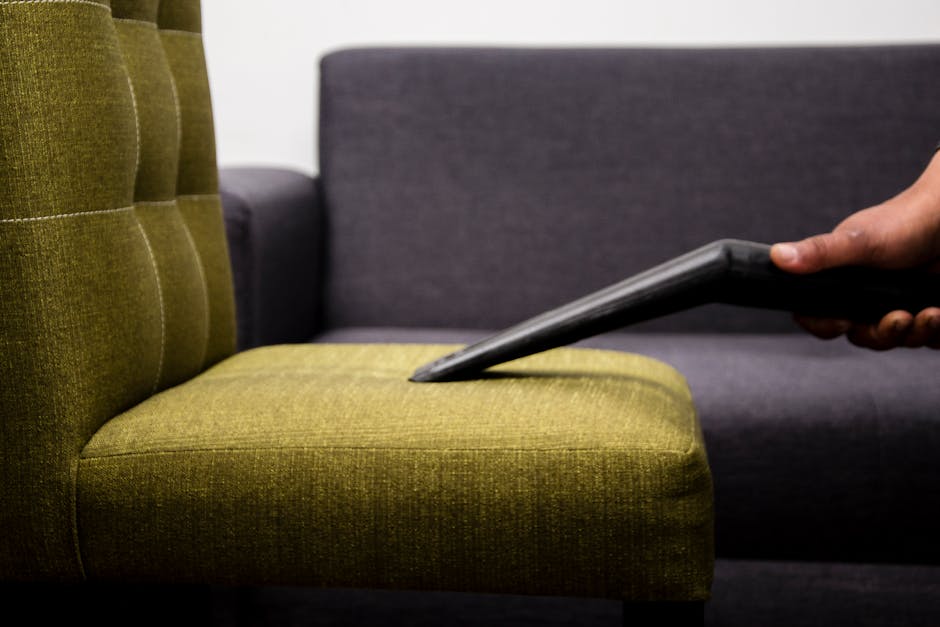
Avoid hidden charges with Hook upholstery cleaning firms
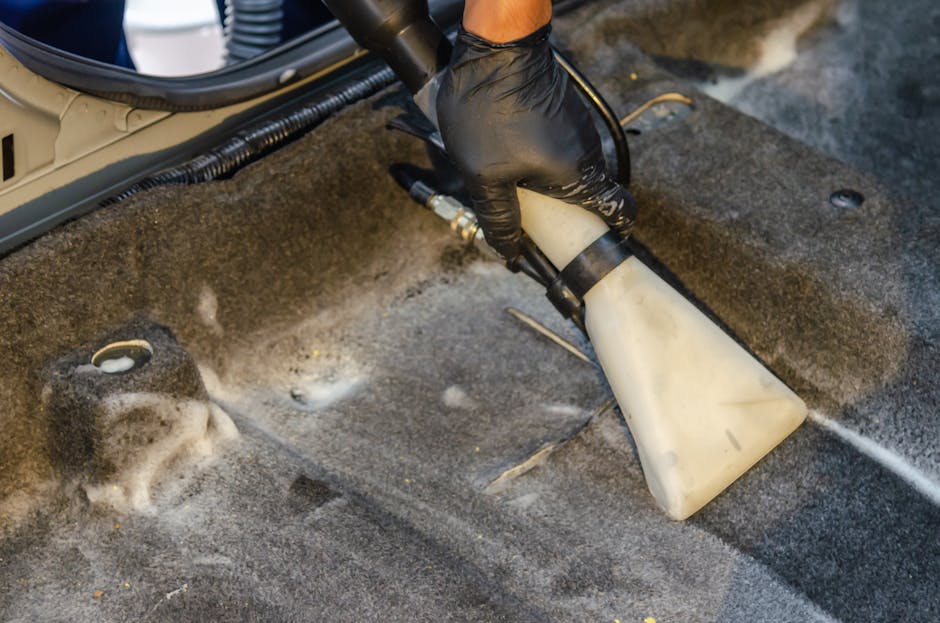
If you have ever booked an upholstery clean and then felt a bit blindsided by the final bill, you are not alone. The price sounded tidy on the phone, the sofa looked promising after the first visit, and then suddenly there were extras for stain treatment, parking, fabric type, or "access difficulty". It can leave you feeling a touch taken for granted. This guide is here to help you avoid hidden charges with Hook upholstery cleaning firms by showing exactly what to check, what to ask, and what a fair quote should include before anyone starts moving cushions around.
Done properly, upholstery cleaning should feel straightforward. Clear scope. Clear pricing. No awkward surprises. In Hook, where households and businesses often want fast, practical service with minimal disruption, that matters even more. Below, you will find a plain-English breakdown of how pricing works, the warning signs to watch for, and a simple process for booking with more confidence. A little due diligence now can save you money later. And peace of mind, too.
Why avoiding hidden charges matters
Hidden charges are more than an annoyance. They make it harder to compare one upholstery cleaning firm with another, and they can turn a routine booking into a budgeting headache. If you are cleaning a beloved three-piece suite, a landlord sofa, a dining chair set, or office seating, you want to know what you are paying for before the work starts.
To be fair, some extra charges are legitimate. A heavily soiled armchair may genuinely take longer. Certain fabrics need slower, more careful treatment. A bad stain sometimes requires specialist spotting or extra dwell time. The issue is not the extra itself. The issue is when it appears late, vaguely, or without your agreement. That is where trust starts to wobble.
For local customers, the risk is usually not a dramatic scam. It is something smaller and more frustrating: a quote that looked competitive until the invoice included add-ons. One customer may think they have booked a standard sofa clean, only to discover later that the cleaner classed it as a "premium fabric" job. Another might be charged extra for moving light furniture, despite assuming that was included. Tiny details. Big difference.
Transparent pricing is part of the service, not a bonus feature. If a company also provides clear information on pricing and quotes, plus sensible policy pages such as terms and conditions and payment and security, that is usually a good sign that the business takes clarity seriously.
How transparent upholstery pricing should work
Good upholstery cleaning firms normally price work using a mix of visible factors and clearly stated variables. In plain English, they look at what you have, how much of it there is, what condition it is in, and whether anything unusual is likely to affect the job. That is normal. What should not happen is vague pricing that only becomes clear after the cleaner arrives.
Most fair quotes should explain:
- what item or items are included
- whether the quote is per item, per seat, or per room
- what level of soiling is assumed
- how stain removal or odour treatment is charged
- whether protective treatments are included or optional
- any charges tied to access, parking, or difficult set-up
- how VAT or other taxes are handled, if relevant
- what happens if the fabric type needs a different method
If a quote is given over the phone or by message, it should still be based on enough detail to be meaningful. The cleaner may ask questions about material, size, colour, age, stains, pet issues, and access. That is actually a good thing. A five-minute conversation can prevent a five-pound surprise. Or a fifty-pound one. Sometimes more.
You may also see firms offering upholstery alongside related services such as sofa cleaning, rug cleaning, curtain cleaning, and mattress cleaning. That can be useful, but only if the quote separates each item clearly enough for you to understand where the money is going.
Expert summary: A fair upholstery quote should be specific, written down, and tied to the actual job you want done. If the price sounds too broad to be checked, it probably needs a second look.
Key benefits and practical advantages
When you avoid hidden charges, you are not just saving money. You are improving the whole service experience. The benefits show up before, during, and after the clean.
1. Better budgeting
You can plan around a known total instead of guessing. That matters whether you are cleaning one chair in a flat or several reception sofas in a small office.
2. Easier comparison
Transparent firms are easier to compare against each other. You can weigh like-for-like prices instead of trying to untangle what is and is not included.
3. Fewer disputes
Clear pricing reduces the chance of awkward conversations at the door. Nobody likes that moment when the cleaner says, "Actually, that will be extra." Nobody.
4. Better trust
If a firm is upfront about costs, it usually shows the same care in how it handles fabrics, stain treatment, and customer service. Not always, but often enough to notice.
5. More suitable service matching
A quote that asks the right questions often leads to better outcomes. A velvet chair needs different handling from a synthetic office seat. Pricing clarity helps the cleaner match the method to the fabric.
There is also a practical operational gain. When a firm is transparent, it is easier to book with confidence, arrange access, and know whether payment will be taken before, during, or after the clean. If you want that extra reassurance, checking pages like insurance and safety and health and safety policy can help you judge whether the business runs in an organised, professional way.
Who this is for and when it makes sense
This advice is useful for almost anyone booking upholstery cleaning in Hook, but a few groups benefit especially.
- Homeowners wanting to refresh sofas, armchairs, or dining chairs without budget creep.
- Renters who need to return items in decent condition and avoid disputes over accidental damage or extra cleaning fees.
- Landlords and letting agents handling end-of-tenancy refreshes where the invoice needs to be neat and justifiable.
- Small businesses with waiting-room seating, office chairs, or hospitality furniture that needs regular care.
- Pet owners who may need odour or stain work and want to know whether those treatments are included or charged separately.
- Anyone with delicate fabrics such as wool blends, linen mixes, velvet, or antique upholstery.
It makes sense any time a job is not a simple one-size-fits-all clean. If your furniture has visible staining, years of built-up grime, or access that involves stairs, parking restrictions, or limited lift access, the chances of extra charges go up unless the firm is very clear from the start.
And if you are cleaning more than one type of item at once, it is worth checking whether a single provider can handle it all. A company offering upholstery cleaning alongside stain removal and pet stain odour removal may be able to price the job more cleanly than a patchwork of separate contractors.
Step-by-step guidance
Here is the simplest way to avoid awkward extras. It is not fancy, but it works.
- Describe the item properly. Tell the firm what furniture you have, the approximate size, the fabric if known, and any visible issues. If you are not sure of the fabric, say so. Guessing is how misunderstandings begin.
- Ask what the quote includes. Get the firm to spell out the basics: number of items, cleaning method, stain treatment, odour treatment, protective spray, and any minimum charge.
- Ask about exceptions. What would count as an extra? Deep staining? Pet urine? Ink? Fabric protection? Parking? Weekend appointments? Access issues? Ask calmly and directly.
- Request a written quote. It does not need to be a formal essay. A clear message or email with itemised details is enough in many cases. You just want something to refer back to if needed.
- Confirm the final price trigger. Find out what would change the price and who must approve that change. A reputable cleaner should not simply add a fee without telling you.
- Check payment terms. Understand whether payment is due on completion, in advance, or via deposit. Also confirm whether card, bank transfer, or cash is accepted.
- Review policies if needed. If you have concerns, read the company's terms and conditions and payment and security information before you book.
- Keep the job details handy. Save the quote and any messages. If something changes on the day, it is much easier to sort out when everyone can see the original agreement.
A small practical tip: take a quick photo of the upholstery before the appointment. Nothing dramatic. Just enough to show the condition and any existing marks. It can help avoid confusion later. Particularly with pale fabrics, which always seem to attract mystery stains, honestly.
Expert tips for better results
Over time, a few habits make a real difference. They are not complicated, but they do help you book more safely.
Ask for itemised language, not vague promises
"Full clean" means different things to different firms. Ask what that actually includes. Does it mean pre-treatment, extraction, deodorising, and light stain work? Or just the main cleaning pass? Vagueness is where hidden costs love to hide.
Watch for low teaser prices
A very cheap headline price can be legitimate, but sometimes it is designed to get the booking first and explain the rest later. If the price looks unusually low, check the wording carefully. There is no prize for being the cheapest if the invoice grows legs.
Be honest about stains
It helps no one to pretend the red wine mark is "just a bit of general wear". If the cleaner knows the true condition, they can give a more realistic quote. That honesty often protects you from extra charges later.
Ask how fabric type affects cost
Different materials need different products, dwell times, and methods. Natural fibres can be more delicate. Some synthetics are easier. If the quote does not mention fabric type at all, that is a little odd.
Check whether moving furniture is included
Light furniture moving is often part of the job, but not always. Heavy items, breakables, or beds can be different. A quick question before booking saves a clumsy conversation on arrival.
Use the company's trust pages
Good businesses tend to explain themselves clearly. Look at pages such as about us, insurance and safety, and complaints procedure to get a better sense of how they work when things go off script. Not exciting reading, perhaps, but surprisingly useful.
Common mistakes to avoid
Most hidden charge problems are preventable. The same few mistakes keep cropping up.
- Booking on price alone. A lower headline rate is not always the better deal.
- Not asking what counts as extra. If the quote is not explicit, assume nothing.
- Forgetting to mention stains or pet issues. That can lead to add-ons on the day.
- Ignoring access complications. Narrow stairs, no parking, and top-floor flats can all matter.
- Assuming protection or deodorising is included. These are often optional.
- Leaving the quote only in your head. Memory is unreliable when the invoice arrives.
- Not checking the firm's policies. A quick glance at terms can save a lot of back-and-forth later.
A surprisingly common one: people assume every cleaner works in exactly the same way. They do not. Some are very detailed. Others less so. If you have ever stood in the hallway listening to a cleaner say "right, we've got a little issue here," you will know how fast costs can move when the paperwork is thin.
Tools, resources and recommendations
You do not need special software or a complicated spreadsheet to protect yourself. A few simple tools and habits are enough.
- A phone notes app for recording what was quoted.
- Photos of the furniture before the appointment.
- A short checklist of questions to ask every time.
- Email or text confirmation so you have a record of the agreed price.
- The company's own information pages for clarity on pricing, payment, and policies.
For readers comparing broader cleaning needs, it can also help to see whether the business offers related services such as carpet cleaning, steam carpet cleaning, or commercial carpet cleaning. A business that explains multiple services clearly often has a better grip on quoting and scope. Again, not a guarantee, but a useful signal.
If sustainability matters to you, you may also want to look at recycling and sustainability. It will not tell you the price, of course, but it does show whether the company is thinking beyond the immediate job. That can matter to many households and businesses nowadays.
Law, compliance and best practice
Pricing transparency in the UK is partly about common sense and partly about consumer protection expectations. You do not need to know every detail of the law to protect yourself, but you should expect a business to present its charges honestly, describe what is included, and avoid misleading statements. That is the baseline. Anything less feels, well, a bit sloppy.
From a best-practice point of view, a trustworthy upholstery cleaning firm should:
- state prices in a clear and understandable way
- explain optional extras before work starts
- make payment terms easy to find
- handle customer data responsibly through a privacy policy
- carry suitable insurance for the work they do
- have a straightforward complaints route if something goes wrong
That is why pages such as privacy policy, insurance and safety, and complaints procedure can be surprisingly revealing. They are not just formalities. They tell you whether the company has thought through the customer journey, from booking to aftercare.
For a commercial client, clarity matters even more. Office managers and landlords often need a paper trail, and if work is being arranged for shared premises, predictable pricing is essential. That is another reason to check the booking terms before confirming anything. It is boring admin, sure. But boring admin can save real money.
Options and comparison table
Below is a practical comparison of common pricing approaches. There is no single perfect model, but some are easier for customers to understand than others.
| Pricing method | How it usually works | Pros | Possible drawback |
|---|---|---|---|
| Fixed item price | One set price per sofa, chair, or suite | Easy to understand; simple to compare | May exclude stains or special fabrics unless stated |
| Per seat or section | Each seat or part is priced separately | Works well for modular or mixed furniture | Can be confusing if the layout is not explained clearly |
| Inspection-based quote | Price confirmed after seeing the item in person | Often more accurate for unusual or delicate items | Takes longer and can feel less convenient |
| Base price plus extras | Standard rate with optional add-ons | Flexible, especially for stain or protection work | Hidden charges can creep in if extras are not clearly listed |
For most customers, a fixed item price with clear exclusions is the easiest route. If you need add-ons, it is fine as long as they are labelled in advance. That is the key point. Extras are not the enemy. Surprise extras are.
Real-world example
Here is a simple example from the kind of situation people run into quite often.
A couple in Hook wanted their family sofa cleaned after months of daily use, crumbs, and one enthusiastic dog who treated the armrest like a bed. The first quote they received sounded tidy enough. But it did not say whether pet odour treatment, stain pre-treatment, or cushion cleaning was included. It also did not mention whether the cleaner would charge more for the second floor flat with narrow stairs. Not ideal.
They asked for a written breakdown. The revised quote made the scope much clearer: standard sofa cleaning, separate pricing for deeper pet treatment, and confirmation that light access was included but unusually difficult access would need agreement first. No drama. Just clarity. The job went ahead with no surprises, and the final invoice matched the agreed price.
That is really the point of this whole guide. A better quote does not always mean the cheapest one. It means the one you can actually trust when the van pulls up outside at 8:30 on a damp Tuesday morning and the cleaner starts unpacking the kit.
Practical checklist
Use this checklist before booking any upholstery cleaning job.
- Have I described the furniture accurately?
- Have I said whether there are stains, odours, pets, or heavy soiling?
- Does the quote say what is included?
- Are optional extras listed separately?
- Have I asked about fabric type and special treatment?
- Do I know whether moving furniture is included?
- Have I checked payment terms and security?
- Do I have the quote in writing?
- Have I checked the company's terms and complaints information?
- Do I understand what could make the price change?
If you can tick most of those off, you are in a much stronger position. And if a firm is happy to answer every question without getting vague or defensive, that is usually a reassuring sign.
Conclusion
To avoid hidden charges with Hook upholstery cleaning firms, the aim is simple: get clarity before the clean begins. Ask better questions, ask for written confirmation, and do not assume that "standard clean" means the same thing everywhere. It rarely does.
Good upholstery cleaning should leave your furniture fresher, not your stomach in knots. When pricing is honest, the whole experience feels easier. You know what is included, what is optional, and where the boundaries are. That makes it much easier to choose a company with confidence, especially if you are comparing services across home, rental, or business settings.
If you are still weighing up your options, review the firm's service pages, policies, and quote information carefully. A few minutes of checking can save a lot of hassle later. And if the answers are clear, fair, and direct, that is usually a business worth taking seriously. Simple as that, really.
Get a free quote today and see how much you can save.
Sometimes the best decision is the one that feels calm, clear, and unforced. That kind of booking is worth aiming for.
Frequently Asked Questions
What are hidden charges in upholstery cleaning?
Hidden charges are costs that are not made clear before you book or before the work starts. They might include extra stain treatment, pet odour work, parking issues, difficult access, or fabric-related surcharges. The problem is not extra pricing itself; it is surprise pricing.
How can I tell if a Hook upholstery cleaning quote is fair?
A fair quote should explain exactly what furniture is included, what level of cleaning is covered, and which extras could affect the total. If the price is vague or only given as a broad estimate with no detail, ask for more information before agreeing.
Should I ask for a written quote?
Yes, absolutely. A written quote gives you something to refer back to if questions come up later. It does not need to be a formal contract every time, but it should clearly state what is included and what might cost more.
Are stain removal and odour treatment usually included?
Not always. Some firms include light stain work in the base price, while deeper stain removal or odour treatment may be charged separately. Always ask how those services are handled so there is no confusion on the day.
Do upholstery cleaners charge extra for pet hair or pet smells?
They sometimes do, especially if the job needs extra treatment beyond normal cleaning. Pet hair removal, urine treatment, and odour neutralising can take more time and specialist products, so it is best to mention pets when you request the quote.
What should I ask before booking upholstery cleaning?
Ask what is included, what counts as an extra, whether the quote covers your fabric type, how payment works, and whether there are charges for access or parking. That short list catches most of the common pricing problems.
Is the cheapest quote always the best choice?
No. The cheapest quote can be good value, but it can also leave out important items that get added later. A clearer, slightly higher quote may actually cost less in the end if it includes everything you need.
Can fabric type change the final price?
Yes. Delicate, natural, or specialist fabrics may need different products or methods, which can affect the price. A professional cleaner should explain this before booking, not after the work is underway.
What if the cleaner finds extra damage or deeper staining on arrival?
They should explain the issue and ask for your approval before changing the price. If they simply add charges without discussing them, that is not good practice. Keep the original quote so you can compare it with the proposed change.
Where should I look for trust signals on a cleaning company's website?
Look for pages like about us, pricing and quotes, payment and security, insurance and safety, terms and conditions, and complaints procedure. These pages do not guarantee a perfect experience, but they do show whether the business is organised and upfront.
Can I avoid hidden charges completely?
You can reduce the risk a great deal, but no service is immune to changes if the job turns out to be different from what was described. The best protection is accurate information, a written quote, and a clear agreement before the cleaner starts work.
What is the smartest last-minute check before I say yes?
Ask, "What is the total price if nothing changes, and what would make it change?" That one question usually flushes out the fine print. It is simple, direct, and very effective.